Edwards’ Emblematic World Visualized
From natural typology to connections with early modern emblem writers — explore the beautiful network of divine images that fill creation and Scripture.
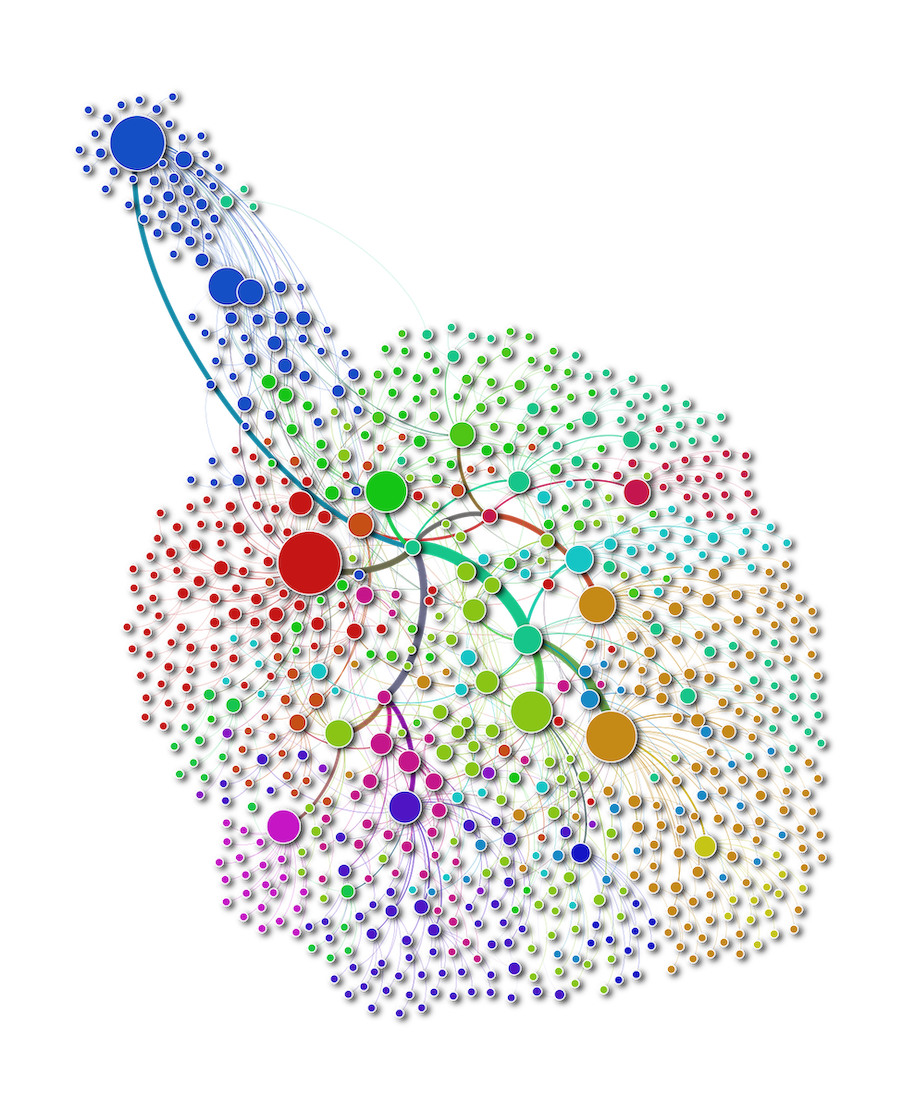
Edwards’ famous notebook revealing divine communication in nature
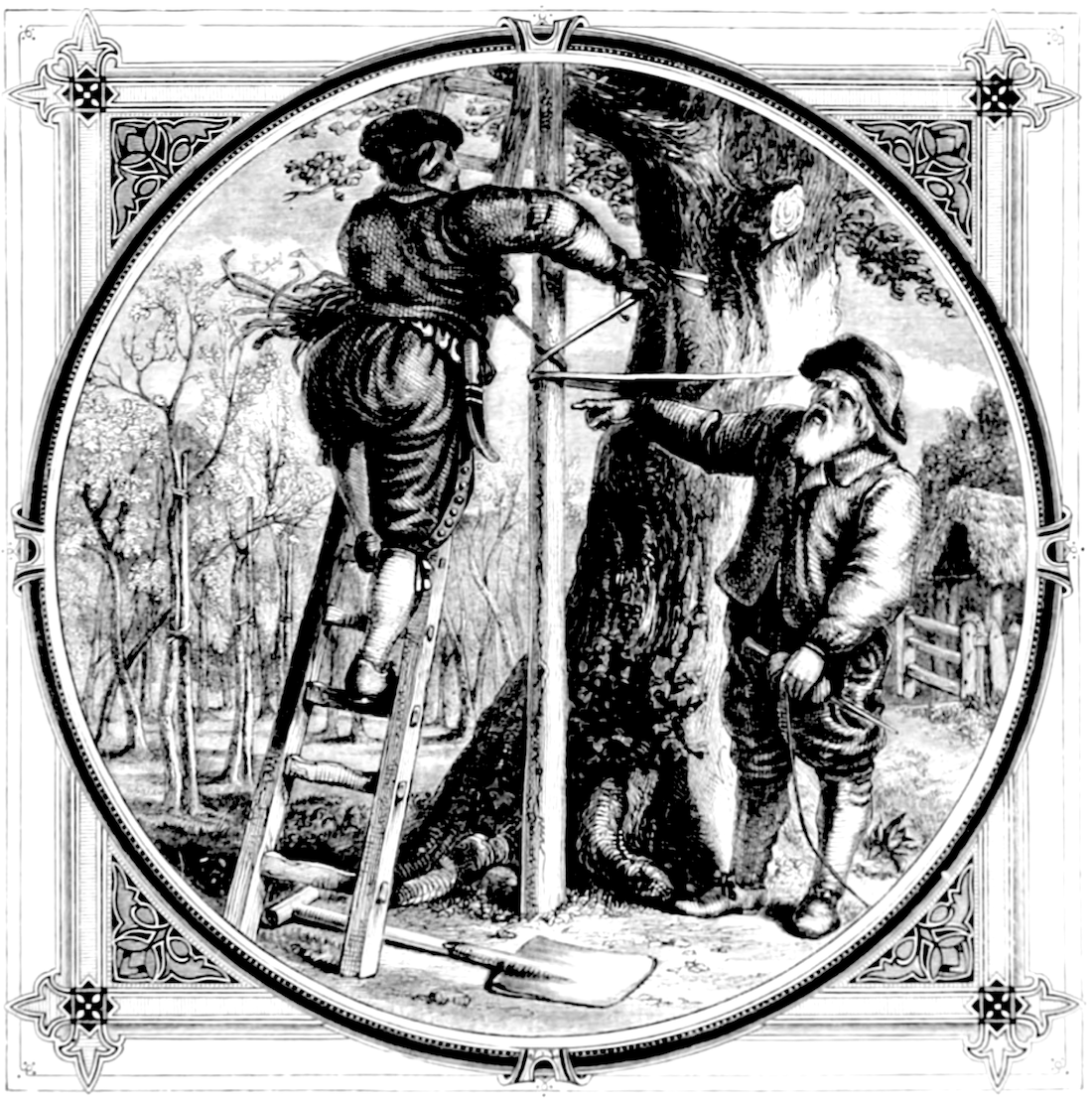
Compare with Edwards’ “Images,” no. 34 on tender twigs
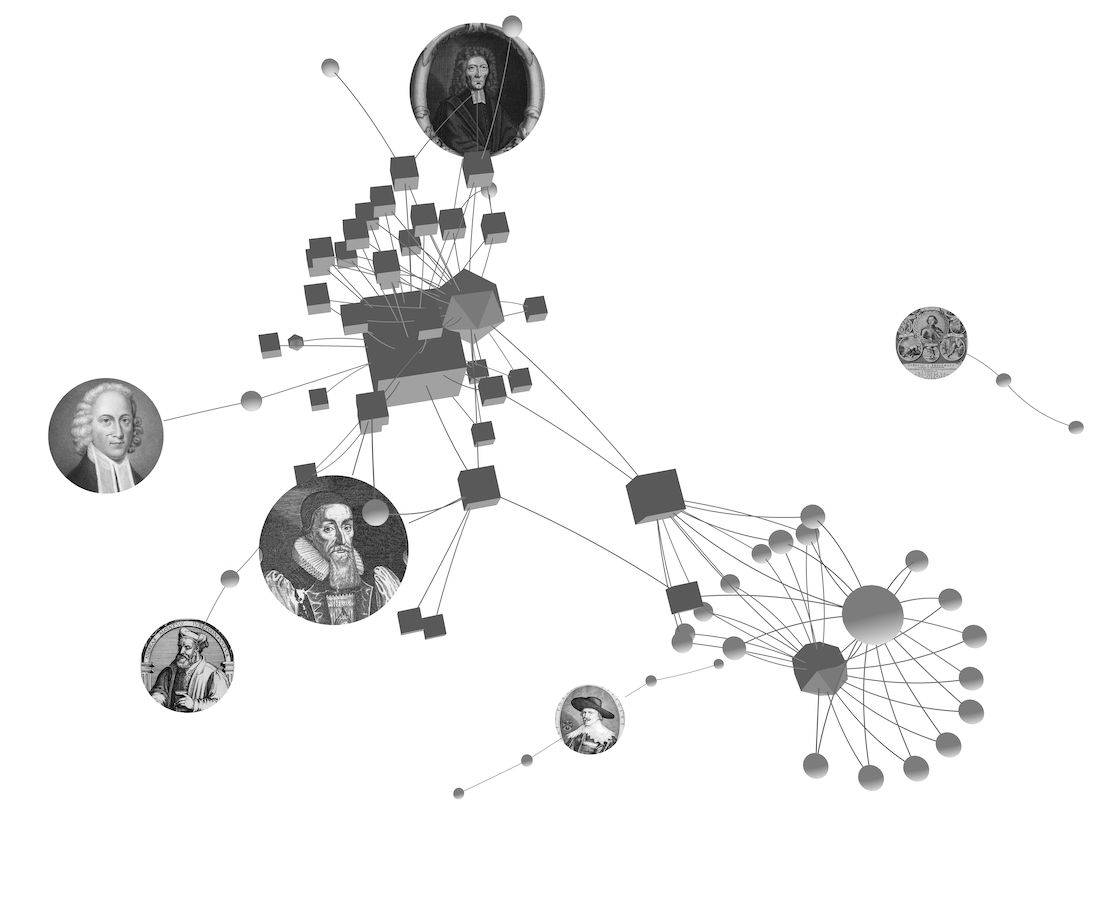
Compare with Edwards’ “Images,” no. 2 with other emblem writers
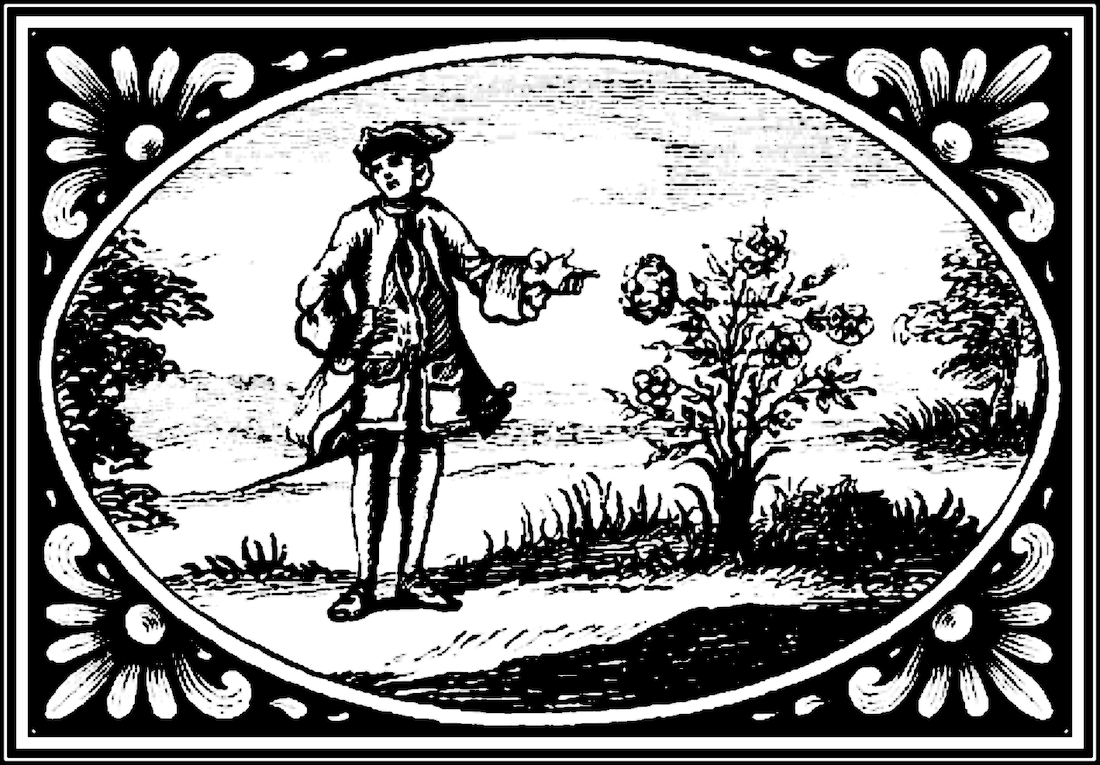
Compare with Edwards’ “Images,” no. 3 on roses and thorns
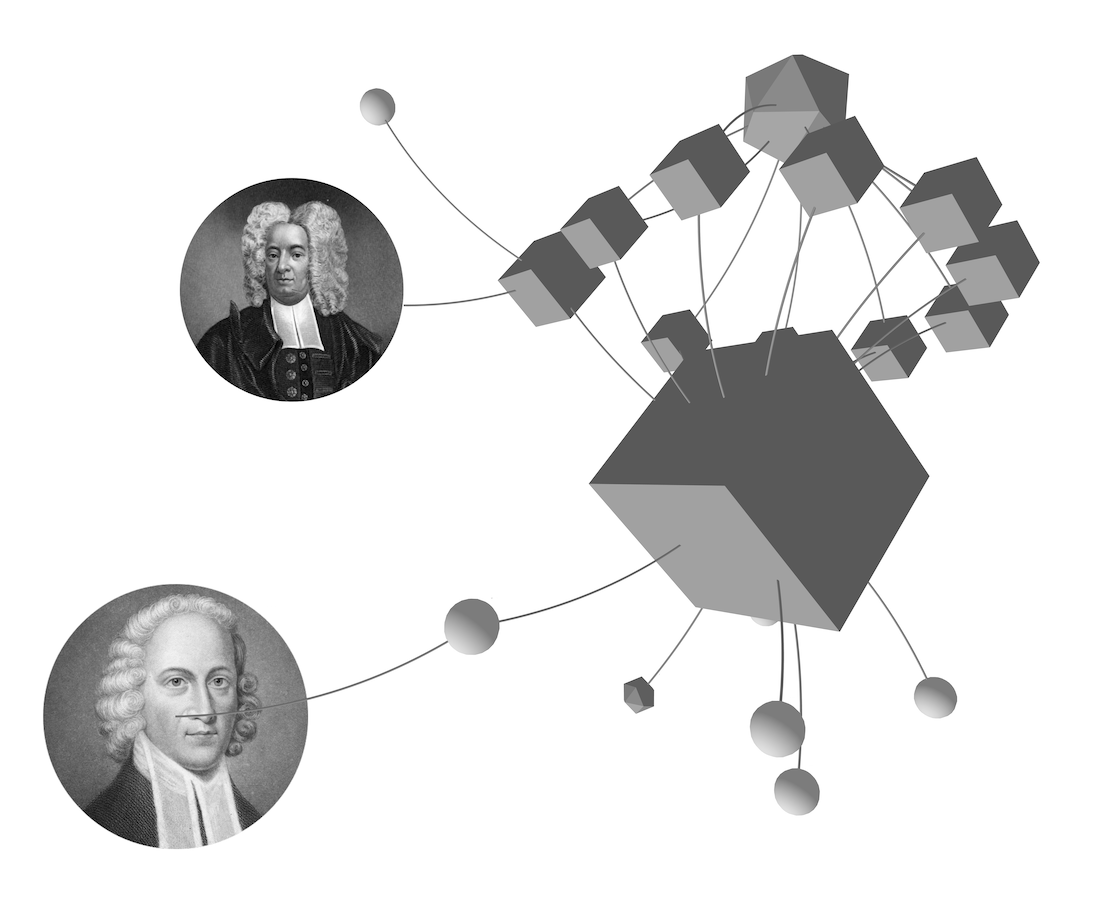
Compare with Edwards’ “Images,” no. 55 with other emblem writers
The Project
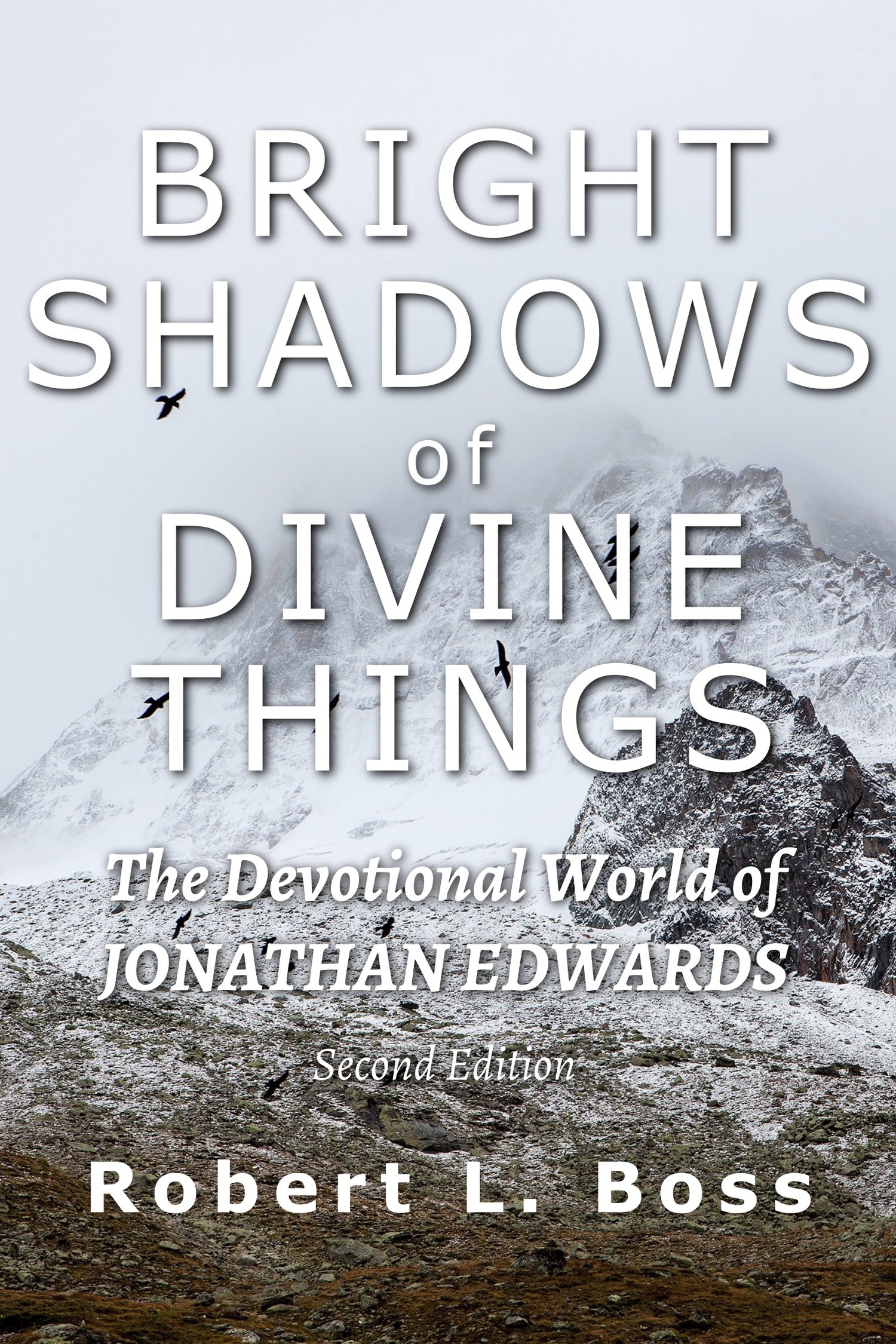
This ten-year project, initially published as God-Haunted World (2015), has grown significantly. The most visible development is the addition of Part Two, which places Edwards’ “Images” among emblematic works from early modern writers. This provides deeper context for Edwards’ emblematic thought and invites comparison with other emblem writers of his era.
It is my belief that Edwards’ emblematic and typological worldview remains profoundly relevant today — offering a God-haunted vision of reality where creation itself speaks of divine things.
Why This Matters Today
Academic interest in typology has waned since the 1970s. While Edwards’ reading of the Old and New Testaments is considered orthodox, his application of typology to the natural world is sometimes viewed as innovative — or even a deepening of divine communication. Despite honorable mentions in the Oxford Handbook of Jonathan Edwards, the topic receives limited dedicated attention.
This work explores a road less traveled: presenting Edwards as an emblem writer in the company of early modern figures like Francis Quarles and George Wither. As Douglas A. Sweeney notes, Edwards “boasted of an all-pervasive typological passion” that gave his thought a unique spiritual focus.
— Douglas A. Sweeney (endorsing Gerald McDermott’s Everyday Glory)
The Emblematic Tradition & Edwards
Emblems combine a striking image, motto, and explanatory verse — a “combined art” that mirrors the world as a book. In the early modern period, emblems appeared everywhere: sermons, visual arts, pageants, and daily life. Francis Quarles famously asked: “What are the heavens, the earth, nay, every creature but hieroglyphics and emblems of His glory?”
Edwards used “emblem” as a synonym for types and drew from this rich tradition. This project connects his natural typology to the broader emblematic worldview, showing how mundane elements — elements, creatures, plants, stones — become instructors for those with “an understanding eye.”
The emblem teaches how to live and how to die, forming harmonies between the visible and invisible, the Book of Nature and the Book of Scripture.
From Emblems to Digital Exploration
A desire to bring Edwards’ emblematic thought into the computational realm inspired Types Explorer, part of the Visual Edwards Project. Built in Python, Types Explorer creates complex network visualizations of emblem books and Edwards’ notebook.
Nodes represent emblems; edges show relationships. Users can annotate, customize, and publish interactive graphs to the web. Many sections in Part Two conclude with these visualizations, revealing underlying themes and nexus points in Edwards’ thought.
In our age of computing power and augmented reality, weaving Scripture with the Book of Nature has never been more possible — or more needed.
— Jonathan Edwards, “Images,” no. 70
Part of the Edwards Ecosystem
Visual Edwards → “Images of Divine Things” → Emblems.pro
Endorsements
“Although scholars have long known about Jonathan Edwards’ fascination with signs, symbols, types, and emblems, Robert Boss’s study goes well beyond what others have done before. His wide-ranging comparison of Edwards with other figures of the period, but especially his exhaustive catalog of images (“emblems”) in nature from which Edwards drew deep spiritual meaning, adds significantly to understanding Edwards. The book also suggests how Edwards’ use of emblems could aid contemporary believers in finding more riches in Scripture as well as seeing more of Providence in the natural world.” — Mark A. Noll, author of The Rise of Evangelicalism: The Age of Edwards, Whitefield, and the Wesleys
“Rob Boss has done it again. This is a marvelous introduction to Edwards’ typological vision. Enchanting indeed.” — Douglas A. Sweeney, Beeson Divinity School, Samford University
“This is a deeply fascinating book which demonstrates how out of touch we moderns are with Edwards’s God-centered vision of the world. Boss takes us deep into Edwards’s typological and emblematic interpretation of nature, giving us both a rich scholarly study as well as a 'how to' manual packed with visuals designed to stir our theological imagination in Edwardsean ways. Many thanks to Rob Boss for pointing us back to Edwards’s God-infused vision of interpreting the natural world!” — Robert W. Caldwell III, Professor of Church History, Southwestern Baptist Theological Seminary
“Rob Boss’s clear and concise writing, combined with his deep knowledge of the subject matter, makes this book a must-read for anyone seriously interested in understanding the thought of one of America's most important religious thinkers. He masterfully unfolds an intelligible understanding of Jonathan Edwards’ emblematic vision. Any pastor, theologian, or Christian serious about reaching this generation must take the time to digest and understand this brilliant work. This writing ignites hope in a world that feigns hopelessness.” — Marty Martin, Lead Pastor, Northstar Church, Panama City, FL
“This is what awaits those seeking God. A divine beauty that is infinitely fascinating—while also frightening--because it is a harmony of infinite particularity.… Seeing the emblems and the harmonies among them is the key for millions searching for God. May this book help open their eyes and ears.” — Gerald R. McDermott, author of Everyday Glory: The Revelation of God in All of Reality
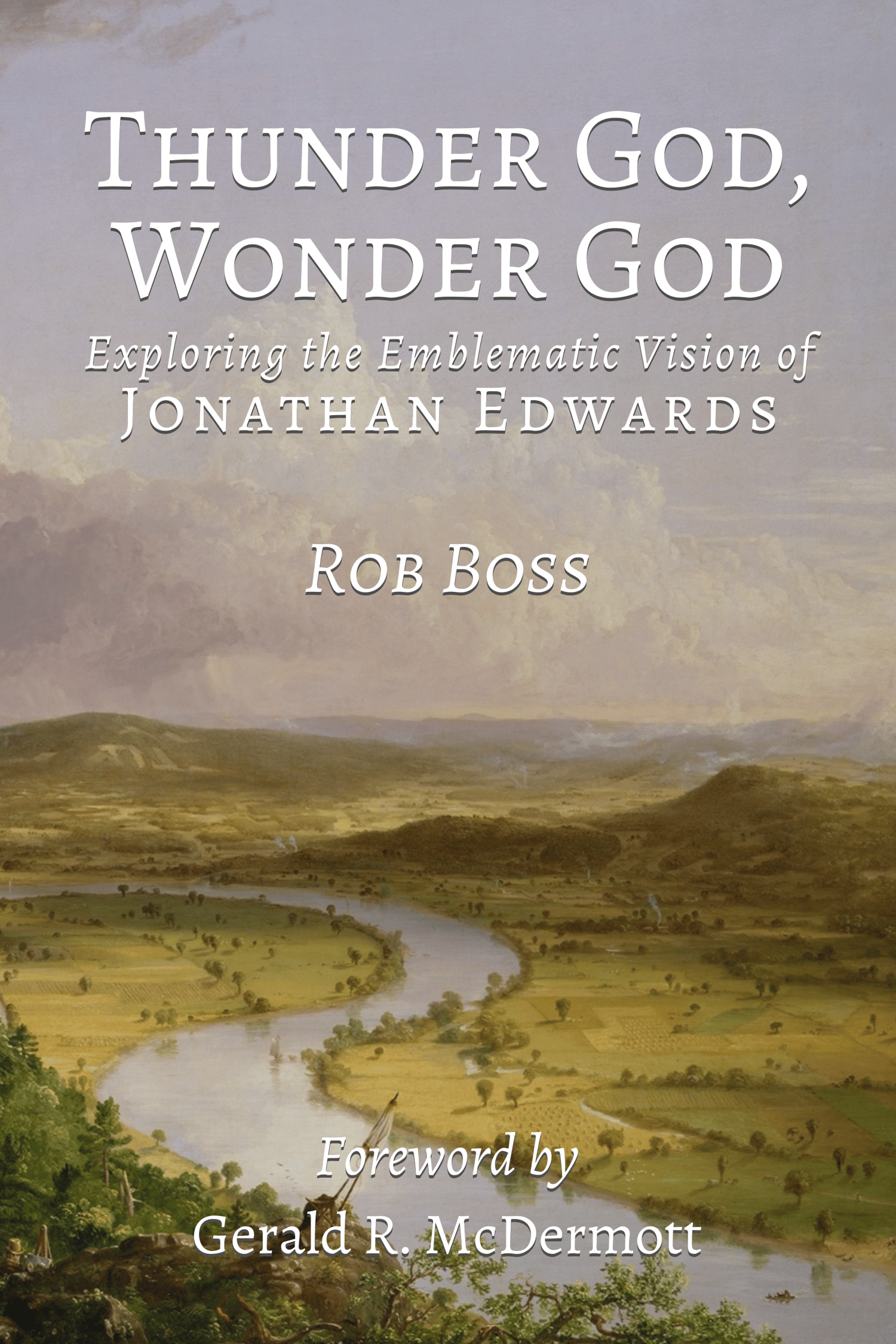 Thunder God, Wonder God
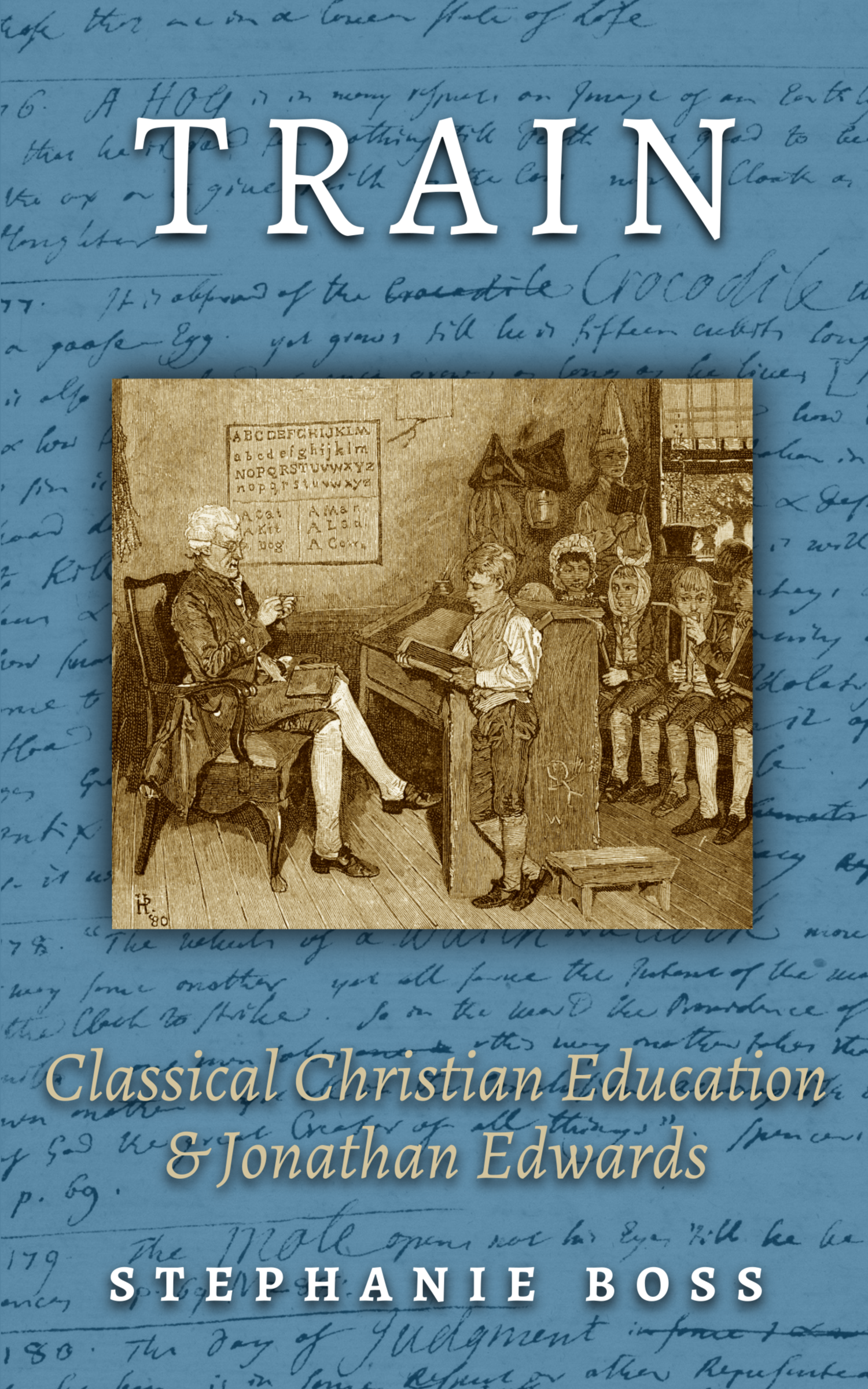 Train
Train
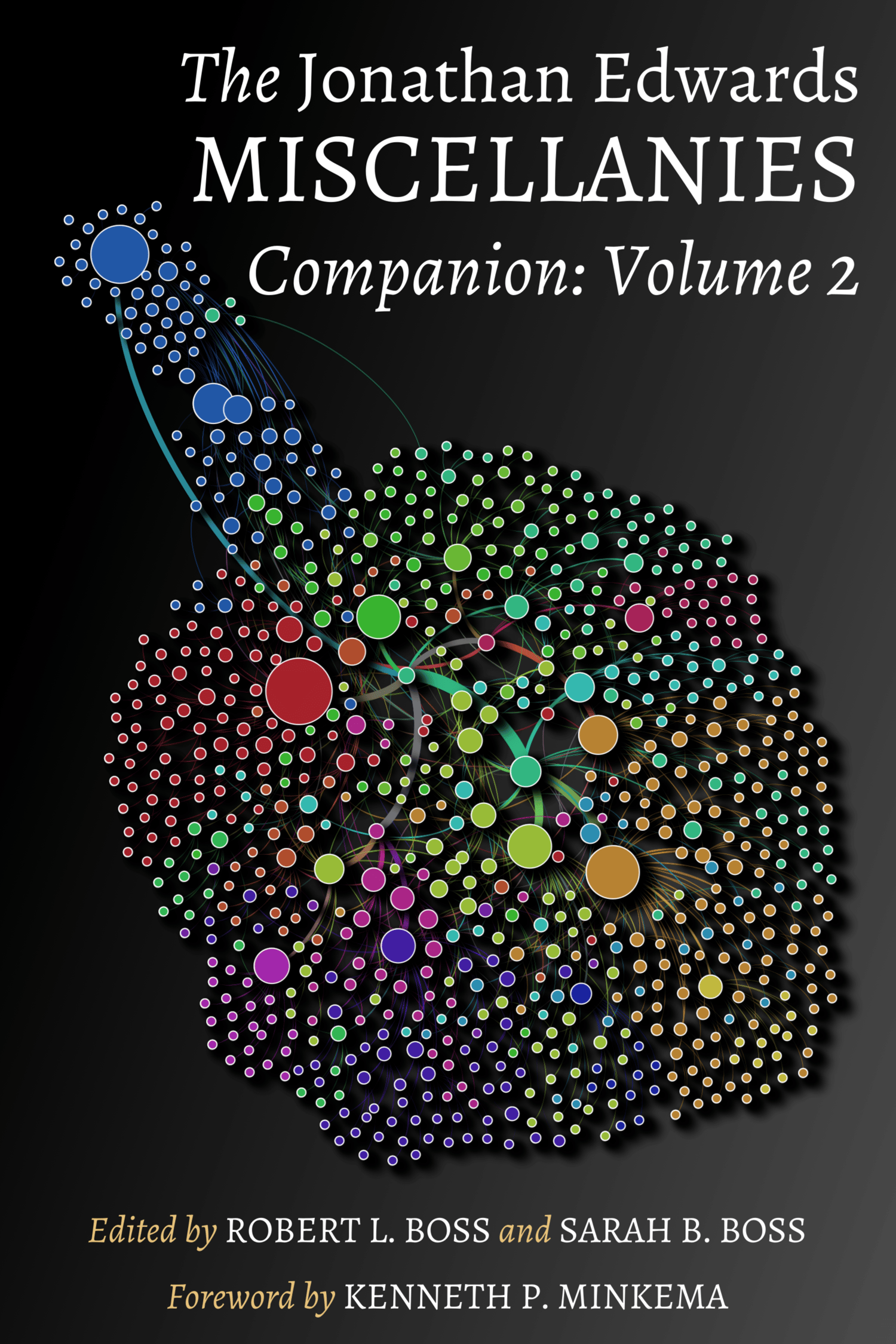 Miscellanies Companion
 Bright Shadows of Divine Things